What Is sustainable agriculture definition ap human geography?
At its core, sustainable agriculture definition ap human geography focuses on agricultural practices that meet present food needs without compromising future generations. It’s a balance between productivity and environmental responsibility. In AP Human Geo terms, this includes analyzing spatial patterns, humanenvironment interactions, and cultural practices tied to land use.
You’ll often find this definition tied to characteristics like:
Minimal use of synthetic chemicals Soil conservation through practices like crop rotation Waterefficient irrigation Support for local food systems Ethical treatment of labor and animals
Crucially, sustainable agriculture supports environmental, economic, and social sustainability. The environment isn’t just a resource—it’s a partner that demands longterm thinking.
Why It Matters in AP Human Geography
The course is built on core themes like agriculture, urbanization, migration, and sustainability. So, understanding the sustainable agriculture definition ap human geography isn’t just academic—it’s essential. It ties into:
The Von Thünen Model: How land use patterns around cities factor in costs, including environmental ones. Cultural Ecology: How different cultures adapt and alter the environment based on agricultural practices. The Green Revolution: A movement that boosted productivity but raised questions around sustainability.
So when students analyze farming strategies, sustainability is the lens that reveals longterm impact—on soil, water, labor, and food security.
Sustainable vs. Industrial Agriculture
Let’s keep it real: Most food today comes from industrial agriculture—largescale, highinput, highoutput operations. That model prioritizes efficiency but often at the expense of longterm sustainability.
In contrast, sustainable agriculture:
Builds soil health instead of depleting it Uses natural pest control methods rather than heavy pesticide use Cuts carbon emissions by reducing fossil fuel dependency Encourages local food systems rather than global supply chains
Making the distinction is key in AP classrooms. Understanding both helps students evaluate tradeoffs and policy implications.
RealWorld Applications
AP Human Geography doesn’t exist in a vacuum—it’s meant to connect knowledge to what’s out there. Here’s how sustainable agriculture plays out globally:
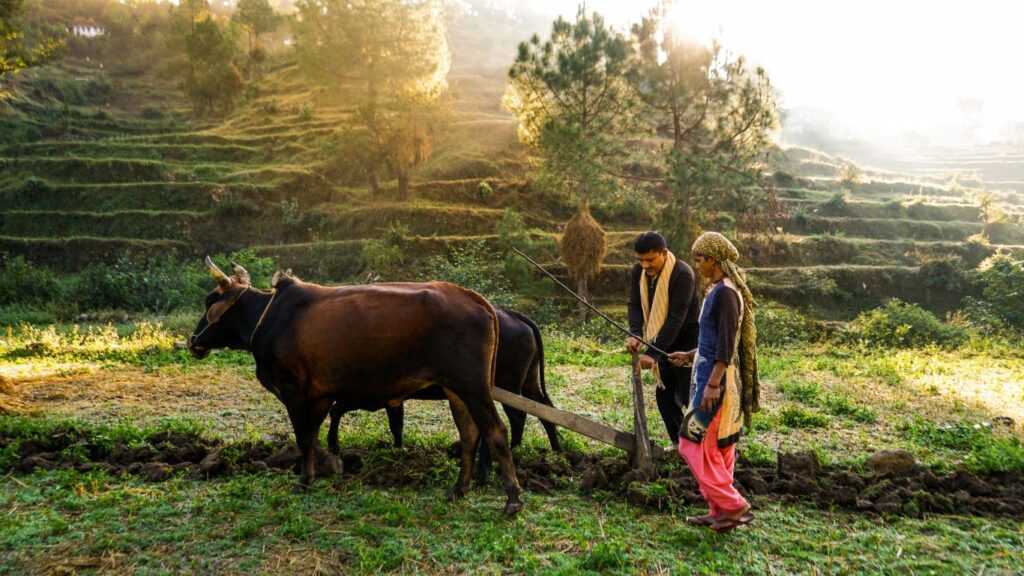
SubSaharan Africa: Smallholder farms adopting agroforestry to improve yield and maintain biodiversity. United States: Urban farms using vertical farming and hydroponics to cut down on land usage and food miles. India: Shifting from chemicalintensive farming to organic systems due to public health and environmental concerns.
Each case shows sustainable agriculture adapting to local context—precisely the spatial analysis AP Human Geo emphasizes.
How It Shows Up on the AP Exam
On the AP test, students may see the sustainable agriculture definition ap human geography sneak into questions about:
Agricultural land use models Development and sustainability indicators Environmental challenges Geographic data interpretation about food systems
It might pop up as an FRQ (FreeResponse Question) topic or as the subtext in a multiplechoice question. Either way, being clear on the definition and its implications can save major points.
Final Takeaways
Sustainable agriculture isn’t just feelgood farming—it’s a key part of how we think about geography, development, and the future of food. In the context of sustainable agriculture definition ap human geography, students learn how human choices shape landscapes, influence economies, and affect ecosystems.
Know the definition. Understand its realworld stakes. And keep asking: How do we feed the world without wrecking it?
That’s geography—with purpose.
 Jasmine Wellish is a key contributor at Info Wave Circle, known for her insightful articles and creative approach to technology and societal issues. With a deep passion for innovation and a knack for storytelling, Jasmine plays a crucial role in communicating the vision and achievements of Info Wave Circle to a broader audience.
Since joining the team, Jasmine has been instrumental in crafting compelling content that highlights the transformative potential of technology. Her work not only informs but also inspires the Info Wave Circle community and beyond. Jasmine’s dedication to exploring new ideas and her ability to convey complex concepts in an engaging manner make her an invaluable asset to the organization’s mission of fostering innovation and societal progress.
Jasmine Wellish is a key contributor at Info Wave Circle, known for her insightful articles and creative approach to technology and societal issues. With a deep passion for innovation and a knack for storytelling, Jasmine plays a crucial role in communicating the vision and achievements of Info Wave Circle to a broader audience.
Since joining the team, Jasmine has been instrumental in crafting compelling content that highlights the transformative potential of technology. Her work not only informs but also inspires the Info Wave Circle community and beyond. Jasmine’s dedication to exploring new ideas and her ability to convey complex concepts in an engaging manner make her an invaluable asset to the organization’s mission of fostering innovation and societal progress.