
Car buyers want it all. They demand thrilling acceleration. They also expect the vehicle to last for years. These goals seem to clash. More power typically stresses components. This leads to faster wear. Modern engineering has changed this game.
Today’s vehicles are smarter and tougher. They deliver impressive performance without sacrificing longevity. This balance is not an accident. It is the result of deliberate design and advanced technology. Let’s explore how engineers walk this tightrope.
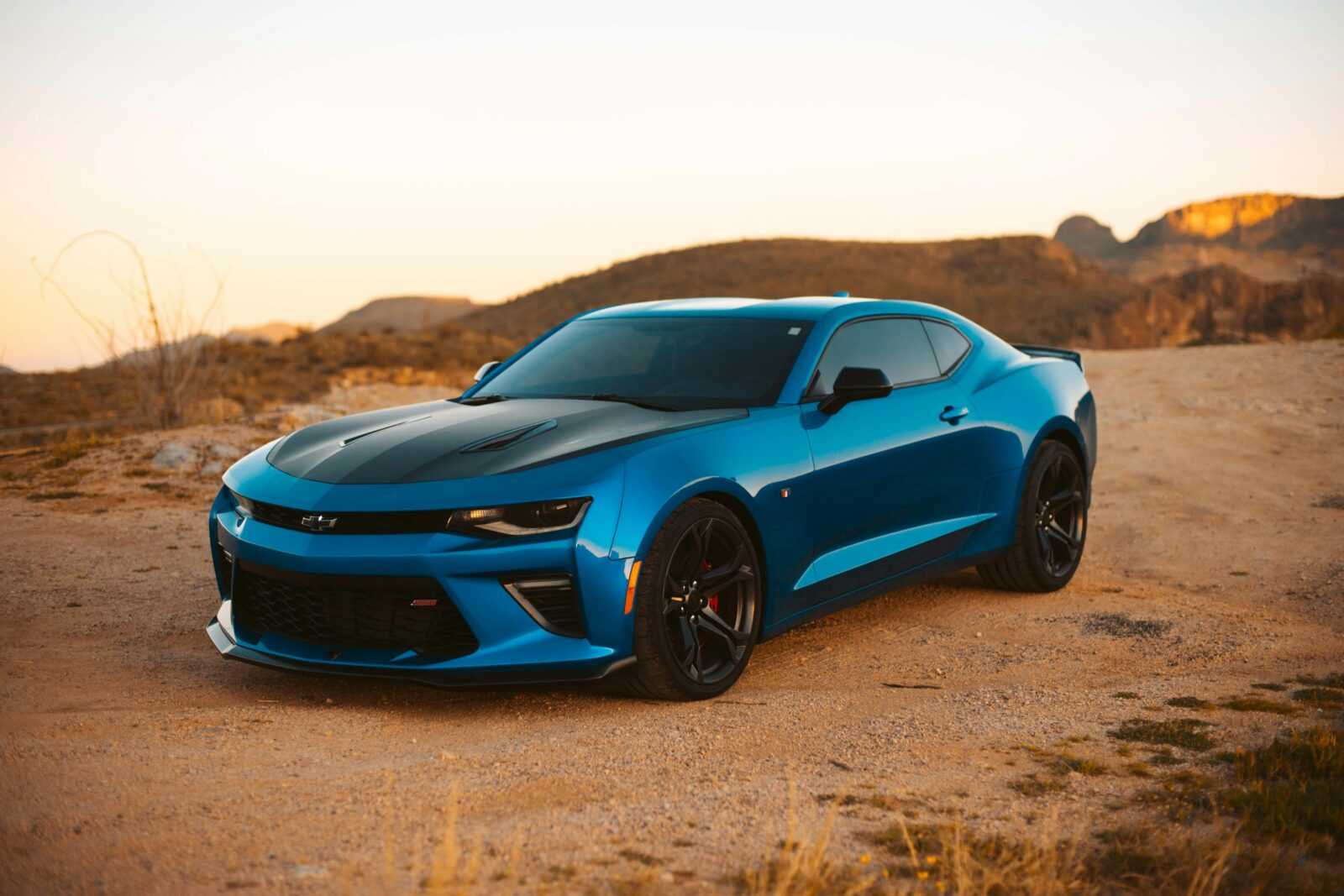
The Foundation of Balanced Design
Engineers start with a philosophy. They aim for “right-sized” performance. This means choosing a power target that the hardware can support reliably. They avoid pushing components to their absolute breaking point. This leaves a safety margin. A balanced engine provides strong, usable power. It does not chase peak horsepower numbers at the expense of everything else.
A great example is the 3.6 GM engine used in many crossovers and sedans. It is not the most powerful V6 available. It is engineered for a specific role. It delivers smooth, confident power for daily driving and towing. Its design prioritizes thermal management and low internal stress. This focus on balanced output is the first step toward long-term durability.
Material Science: Stronger and Lighter
Old engines used heavy cast iron blocks. New engines use advanced aluminum alloys. These alloys are lighter. They also dissipate heat better. Inside the engine, components are getting stronger. Forged connecting rods handle more force than cast ones. Polymer-coated piston skirts reduce friction. Sodium-filled exhaust valves cool more efficiently.
These material upgrades allow the engine to produce more power. They also help it survive the increased stress. Better materials are the physical backbone of the balance between power and durability.
Forced Induction With Intelligence
Turbocharging is a perfect tool for balance. It lets a smaller engine act like a bigger one. The turbo provides a power boost when you need it. When you are cruising, the small engine sips fuel. Modern turbos are more durable. They use water-cooling to manage extreme heat. Their bearings are more robust.
The engine’s computer carefully manages boost pressure. It prevents over-stressing the engine during hot conditions or with low-grade fuel. This intelligent control extracts performance safely. It protects the engine from damage.
Thermal Management: The Silent Guardian
Heat is the enemy of both power and durability. Too much heat reduces power through detonation. It also cooks engine oil and degrades components. Modern cooling systems are incredibly smart. They have multiple circuits and thermostats. They can keep the engine at a perfect temperature.
Some systems even have an electric water pump. This pump can run after the engine is turned off. It cools the turbocharger. Precise thermal management ensures consistent power. It also prevents the thermal cycling that fatigues metal over time.
The Digital Guardian: Engine Software
The engine control unit (ECU) is a full-time bodyguard. It monitors hundreds of parameters. It can detect minor knock (pre-ignition) instantly. It will then adjust timing to protect the engine. It manages fuel mixtures for optimal combustion and cleanliness.
The software also includes built-in protection features. It might limit revs if the engine oil is too cold. It can reduce power if coolant temperatures get too high. This software does not just make power. It ensures the engine can make that power repeatedly, for years, without harm.
Drivetrain Harmony
An engine’s durability depends on its partners. A weak transmission will fail quickly. Engineers design the entire powertrain as one system. The transmission is built to handle the engine’s torque curve. Its cooling capacity is matched to the engine’s output. Driveshafts and axles are rated for the vehicle’s power.
This systems-engineering approach prevents a chain reaction of failures. One strong link is useless if the others are weak.
Rigorous Real-World Testing
Balanced designs are proven, not just theorized. Automakers subject prototypes to brutal testing. They run engines at full power for hundreds of hours on dynamometers. They drive fleets of vehicles in extreme heat and bitter cold. They tow heavy trailers up mountain passes.
This testing finds weak points before the car goes on sale. It validates that the balance between power and durability works in the real world. It is the final, crucial step in the engineering process.
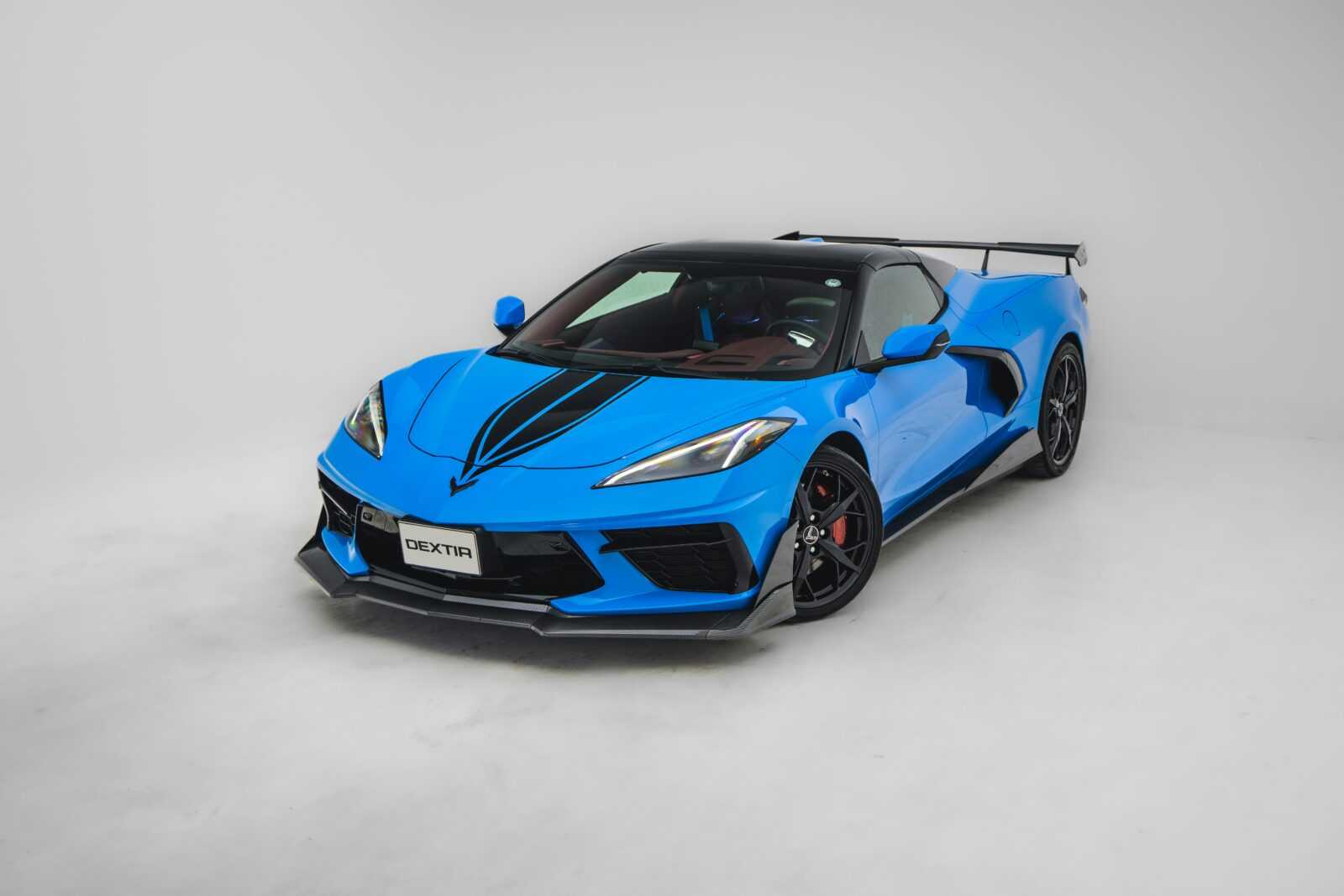
The Owner’s Role in the Partnership
The engineering sets the stage. The owner plays a crucial part. Following the severe-service maintenance schedule is key. Using the correct premium fluids makes a difference. Avoiding abusive driving, like constant full-throttle starts, reduces stress.
Modern vehicles are built to be durable. They still require proper care to fulfill their engineered potential. The balance is a partnership between smart design and responsible ownership.
Bottom Line
The old trade-off is fading. You no longer have to choose between a thrilling drive and a dependable one. Modern vehicles achieve this through intelligent design, superior materials, and digital oversight. They give you power you can trust. They provide durability you can feel every time you press the accelerator. This balance is one of the greatest quiet achievements in today’s automobiles.
 Justin Langer is a key contributor at Info Wave Circle, known for his insightful articles and creative approach to technology and societal issues. With a deep passion for innovation and a knack for storytelling, Justin plays a crucial role in communicating the vision and achievements of Info Wave Circle to a broader audience.
Since joining the team, Justin has been instrumental in crafting compelling content that highlights the transformative potential of technology. His work not only informs but also inspires the Info Wave Circle community and beyond. Justin’s dedication to exploring new ideas and his ability to convey complex concepts in an engaging manner make him an invaluable asset to the organization’s mission of fostering innovation and societal progress.
Justin Langer is a key contributor at Info Wave Circle, known for his insightful articles and creative approach to technology and societal issues. With a deep passion for innovation and a knack for storytelling, Justin plays a crucial role in communicating the vision and achievements of Info Wave Circle to a broader audience.
Since joining the team, Justin has been instrumental in crafting compelling content that highlights the transformative potential of technology. His work not only informs but also inspires the Info Wave Circle community and beyond. Justin’s dedication to exploring new ideas and his ability to convey complex concepts in an engaging manner make him an invaluable asset to the organization’s mission of fostering innovation and societal progress.