What NFTs Actually Are and Why They Matter
What Is an NFT?
Non fungible tokens better known as NFTs are unique digital assets that exist on the blockchain. Unlike cryptocurrencies such as Bitcoin or Ethereum, which are interchangeable, NFTs are one of a kind. Each NFT has a unique identifier and metadata that distinguishes it from any other token.
In simple terms:
NFTs are digital certificates of authenticity
They represent ownership of a specific digital item, like art, music, videos, or collectibles
Because they’re stored on the blockchain, they’re secure and cannot be altered or duplicated
How Blockchain Enables Digital Ownership
At the heart of NFTs is blockchain technology a decentralized digital ledger that records transactions in a secure and transparent way. For artists and creators, this means that ownership of a piece of digital art can be verified, tracked, and sold without relying on third party platforms to prove legitimacy.
Key benefits of blockchain for NFTs:
Immutability: Once created, the record of ownership cannot be changed
Transparency: Anyone can verify who owns a specific NFT
Transferability: NFTs can be sold or traded on multiple platforms across the web
Power Shift: From Platforms to Artists
Traditionally, digital artists had limited control over how their work was shared, used, or monetized. Platforms would host the content, take a large cut of earnings, and give artists little protection against unauthorized use.
NFTs flip that model:
Creators can sell their work directly to collectors, no intermediaries needed
Smart contracts can automate royalties on secondary sales
Artists retain control over how their work is authenticated and distributed
By empowering creators with real ownership, NFTs are helping to decentralize the digital art ecosystem prioritizing the artist over the algorithm.
Ownership Redefined in the Digital Age
For years, digital artists struggled to make a living off their work. Screenshots, reposts, unstable licensing deals control was mostly out of their hands. NFTs have started to flip that script. Artists now have tools to sell, license, and authenticate their digital work without asking for permission from galleries, agencies, or middlemen. Ownership is transparent. Creation is traceable. Proof is baked right in.
At the heart of this shift are smart contracts self executing agreements stored on the blockchain. These contracts can automatically handle resale royalties, so every time a piece changes hands, the original artist gets paid. No chasing invoices. No wondering if your work was resold without you knowing. Smart contracts enforce fairness, with the math to back it.
This tech isn’t just theoretical. Take FEWOCiOUS, a young digital artist who’s made millions through NFT sales, turning digital portraits into auction block hits. Or someone like Krista Kim, whose virtual home “Mars House” sold for over half a million dollars. These aren’t just one off success stories they’re signs of a landscape where sustainable income from digital art is not a fluke but an emerging norm.
Through NFTs and smart contracts, digital artists are getting something they rarely had before: leverage.
Scarcity & Value in the Virtual Space
For years, the biggest pushback against digital art was that anyone could right click, save as, and suddenly own a copy. NFTs changed that. They don’t stop someone from downloading an image, but they do prove who actually owns the original. It’s the difference between printing a photo of the Mona Lisa and owning the painting.
This is where digital scarcity comes in. Most digital files are endlessly reproducible without any loss of quality. NFTs inject uniqueness into that world. Each token is a permanent, verifiable signature on the blockchain that says, “This version is the real one.” And that’s tough to fake.
But scarcity alone doesn’t create value demand does. NFT marketplaces like OpenSea, Blur, and Foundation give creators a direct pipeline to collectors. Value gets built through artist reputation, storytelling, community, and utility. If a piece is linked to perks like future drops, access, or real world goods, demand spikes. As a result, buyers aren’t just collecting digital files they’re collecting status, access, and proof of support. That’s where the new value system lives.
Challenges That Still Need Solving
NFTs may have opened doors for digital artists, but they’re not without serious friction points. First off, the environmental impact of blockchain technology has been impossible to ignore. Proof of work systems like Ethereum used to require heavy energy consumption just to process transactions, raising alarms among eco conscious creators and collectors. The shift to proof of stake, which Ethereum completed in 2022, drastically reduced its energy usage, and newer, greener blockchains like Tezos and Flow have followed suit. Sustainability is no longer optional projects built on wasteful protocols are getting side eyed.
Then there’s the darker side: plagiarism and art theft. Just because a file is minted doesn’t mean the person minting it owns the rights. Artists have found their work tokenized and sold without their consent, leading to a kind of digital whack a mole. Platforms are scrambling to build better verification systems and artist registries, but the internet being the internet, it’s still a work in progress.
And finally, there’s the cold reality of market volatility. Not every NFT is going to the moon. Prices can swing hard and fast, often driven more by hype than actual value. For every artist landing a life changing sale, there are dozens struggling to break even on minting fees. Success in the NFT space is possible but it isn’t promised. Artists and collectors alike need to approach it with eyes open and goals grounded.
Where NFTs Meet Digital Galleries
Not all NFT art lives in noisy marketplaces or cluttered wallets. In 2024, curated online spaces are carving out a clean, intentional lane for digital creators. These platforms are treating NFT art less like speculation and more like cultural output. They’re raising the bar by adding structure, taste, and storytelling to the digital art experience.
Take digital galleries like Feral File and ONCYBER. These aren’t just storefronts they’re spaces built for exploration. Art is exhibited in carefully arranged virtual rooms where context matters. Themes are clear. Artist selections are thoughtful. Instead of chasing clicks, these galleries slow things down they let the art speak, and let collectors really engage.
Curation does more than elevate the work it helps guide discovery. When a gallery vets an artist, that selection builds trust for collectors who are just stepping into NFTs. Combined with better accessibility through mobile friendly layouts and open access exhibitions, these platforms are reducing friction. Less jargon, more invitation.
As a result, collector behavior is shifting. People are spending more time with the work. They come back to revisit pieces. They share thoughtfully, not just impulsively. For artists, that’s validation. For the space in general, it’s growth rooted in genuine appreciation not hype.
Curated digital galleries aren’t replacing marketplaces, but they’re becoming a crucial counterweight prioritizing quality over chaos, and reintroducing the kind of patience and curiosity that traditional galleries once championed.
What the Future Looks Like
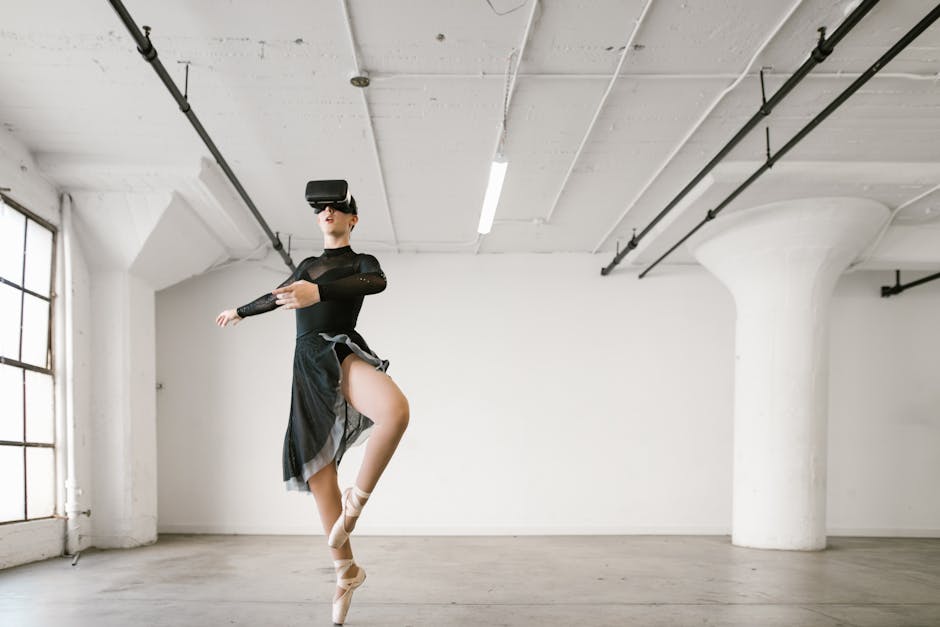
NFTs are no longer stuck in the browser. Artists and curators are pulling them off screens and into immersive AR and VR spaces, creating full digital exhibitions where ownership becomes part of the experience. Picture walking through a virtual gallery where the art responds to your gaze, changes over time, or evolves as the blockchain tracks market activity. That’s not sci fi it’s already starting to happen.
This tech allows for art that breathes. Instead of static JPEGs, we’re seeing dynamic NFTs that update or shift based on viewer interaction, time of day, or real world data. That’s opening up a new kind of creative language one that merges real time programming with traditional artistic storytelling.
For artists, this means more than fancy visuals. It’s a structural change. Smart contracts ensure creators get paid every time their work is sold or traded, without chasing down rights or relying on middlemen. In AR/VR exhibitions, these works become even more valuable they’re not just seen, they’re experienced.
NFTs in immersive spaces are paving the way for an art economy that favors creators over platforms. The walls between artist and audience are thinning. And as digital art galleries evolve to support these formats, the digital art market is quietly gearing up for its next big leap.
 Justin Langer is a key contributor at Info Wave Circle, known for his insightful articles and creative approach to technology and societal issues. With a deep passion for innovation and a knack for storytelling, Justin plays a crucial role in communicating the vision and achievements of Info Wave Circle to a broader audience.
Since joining the team, Justin has been instrumental in crafting compelling content that highlights the transformative potential of technology. His work not only informs but also inspires the Info Wave Circle community and beyond. Justin’s dedication to exploring new ideas and his ability to convey complex concepts in an engaging manner make him an invaluable asset to the organization’s mission of fostering innovation and societal progress.
Justin Langer is a key contributor at Info Wave Circle, known for his insightful articles and creative approach to technology and societal issues. With a deep passion for innovation and a knack for storytelling, Justin plays a crucial role in communicating the vision and achievements of Info Wave Circle to a broader audience.
Since joining the team, Justin has been instrumental in crafting compelling content that highlights the transformative potential of technology. His work not only informs but also inspires the Info Wave Circle community and beyond. Justin’s dedication to exploring new ideas and his ability to convey complex concepts in an engaging manner make him an invaluable asset to the organization’s mission of fostering innovation and societal progress.