How We Got Here
The early days of wearables were simple. Pedometers clipped to belt loops, silently counting steps with no real context. Then came wristbands that tracked sleep, calories, and basic heart rate enough to kickstart a fitness trend, but not enough to matter medically.
It wasn’t until smartwatches entered the scene that wearables began to feel personal, useful, and even essential. The shift wasn’t just about hardware it was about mindset. People stopped asking, “How far did I walk today?” and started wondering, “Is my heart rate normal? Did I sleep well enough to be productive?”
Post 2020, that awareness spiked. The pandemic turned personal health into a daily concern. Terms like oxygen saturation and respiratory rate became part of the mainstream. With health systems strained and remote care on the rise, real time biometrics weren’t a bonus they were a necessity. Users wanted data that felt relevant not next week, but right now.
Wearables met that demand. They filled the monitoring gaps, extended health awareness beyond occasional doctor visits, and started quietly shifting power to the individual. That’s the groundwork for everything coming next.
What the Latest Wearables Track
Today’s wearables have moved far beyond the step counters of the past. What used to be simple fitness companions are now sophisticated tools capable of tracking a wide range of health data. As technology advances, the line between fitness tracker and medical monitor continues to blur.
Core Metrics: The Foundations of Smart Monitoring
At the heart of most wearables are the core metrics that help users stay informed about their day to day well being:
Heart Rate: Monitors fluctuations and trends throughout the day, during workouts, and while sleeping.
Blood Oxygen Levels (SpO2): Tracks how effectively your body is delivering oxygen, which can be vital for everything from athletic performance to early detection of respiratory issues.
Sleep Cycles: Measures quality, duration, and stages of sleep giving users actionable insights into rest and recovery.
Advanced Capabilities: Beyond the Basics
Modern wearable technology is tackling more complex physiological signals, with features that once required specialty medical equipment:
ECG Monitoring: Some devices offer on demand electrocardiogram scans to detect irregular heart rhythms or early signs of atrial fibrillation.
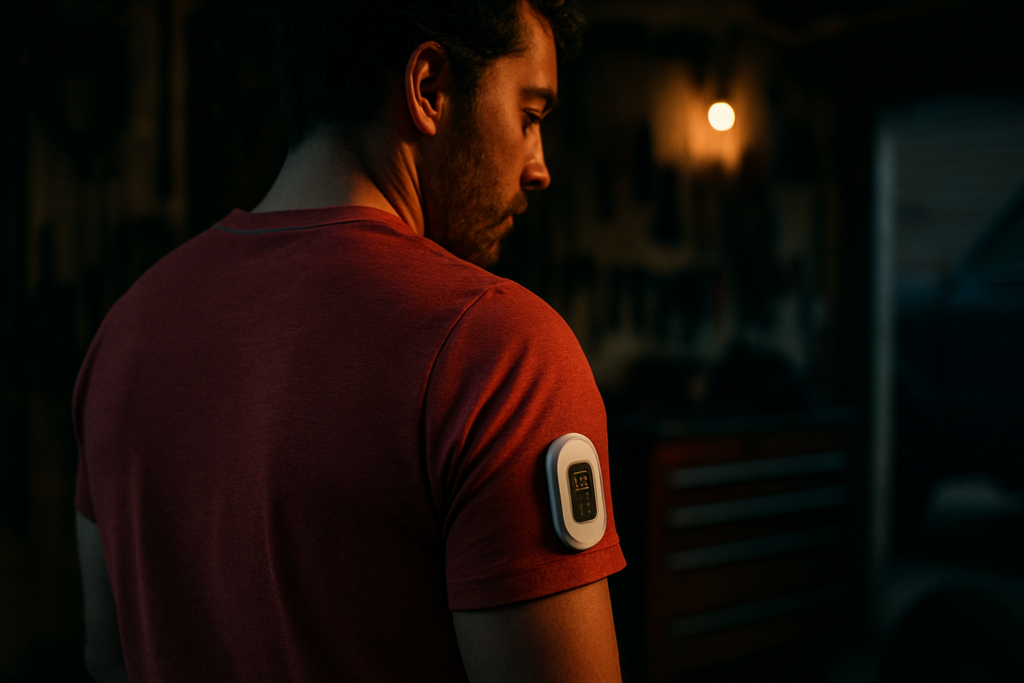
Glucose Monitoring: Non invasive or minimally invasive glucose tracking is emerging, offering key benefits for people with diabetes or energy management needs.
Hydration Tracking: A newer inclusion, these sensors help users monitor hydration levels, especially useful for athletes and people in demanding environments.
Early Alerts: Prevention Over Reaction
A significant benefit of advanced wearable tech lies in its predictive capabilities. Many devices can now alert users to possible health concerns before symptoms even appear.
Variations in heart rate or oxygen levels can signal illness or overexertion
Disrupted sleep patterns may serve as early warning signs for stress or underlying conditions
Some wearables notify users to seek medical attention based on trends over time
The smarter wearables get, the more they empower users to take proactive control over their health well before a doctor gets involved.
Medical Grade Accuracy is the New Standard
There’s a quiet but serious shift happening: consumer wearables are crossing the line into medical territory. Devices that once tracked steps and heart rate can now perform FDA approved ECGs and even monitor for signs of atrial fibrillation. These aren’t just fitness toys anymore the science is catching up, and it’s validating what people wear on their wrists every day.
The result? Doctors, clinics, and even hospitals are starting to trust the data. Health networks are integrating wearable data into patient portals and diagnostics workflows, especially for conditions like sleep disorders, cardiac health, and diabetes management. In some cases, these metrics are being used to guide care decisions or flag early warning signs before symptoms show.
This merging of medical grade features into everyday consumer tech is also blurring lines. The average user isn’t just a fitness enthusiast they’re becoming a low level patient, with a passive but constant diagnostic tool on their arm. It’s health monitoring without the white coat. And as trust in this tech grows, adoption grows with it.
We’re heading toward a world where wearing a device isn’t just about optimization it’s about prevention. And both users and professionals are starting to treat it that way.
Personal Health Meets Big Data
Most people think of wearables as personal tools trackers for steps, sleep, or heart rate. But that data doesn’t just sit in your health app. When aggregated and anonymized, it becomes a massive resource for researchers, public health officials, and even biotech startups. It’s already helping to map disease outbreaks, measure how treatments work across populations, and identify early warning signs in real time.
This shift comes with upside: faster insights, fewer blind spots, and a new layer of understanding public health. But it’s not without complications. Who owns your data? How is it secured? When does “anonymized” stop being anonymous? These aren’t hypotheticals they’re front line questions that hospitals, companies, and lawmakers are still figuring out.
The bigger story isn’t just that wearables track you. It’s that, en masse, they’re rewriting how healthcare systems spot, respond to, and prevent illness. And they’re forcing long overdue conversations around digital consent. It’s no longer about whether you share, but how much control you have over what’s shared and with whom.
AI is the Backbone of the Revolution
Wearables are collecting torrents of data every second heart rate, sleep quality, activity bursts, and more. But all that data means nothing without context. That’s where AI steps in. Built in algorithms now process raw metrics in real time, spotting patterns, flagging anomalies, and even pushing alerts when something seems off. We’re not just tracking anymore we’re reacting.
The real power lies in personalization. One person’s healthy resting heart rate might be another’s red flag. So, devices learn your baseline over time, adjusting alerts and recommendations to fit your unique rhythms. Instead of generic advice, you get insights that feel tailored and sometimes eerily spot on.
For a closer look at how AI is driving this shift, check out AI in Healthcare.
What’s Next for Smart Health Tech
The next big leap in wearables isn’t more sensors it’s better ones. Non invasive monitoring of blood pressure and glucose is edging closer to mainstream, and that’s a game changer. No finger pricks, no cuffs just real time, passive tracking from your wrist. For people managing chronic conditions like diabetes or hypertension, this could mean tighter control and fewer surprises.
But it doesn’t stop there. These devices are starting to connect with AI driven diagnostics and remote care platforms, making it possible to detect patterns, flag risks, and even suggest next steps before symptoms spiral. Picture your watch telling your doctor something isn’t right before you even feel it.
It’s loaded with potential, but not without baggage. Regulatory bodies are moving cautiously. Health is high stakes, and these tools need to be proven, not just promising. There are ethical questions too who owns your data, and how is it being used? Progress here will depend on more than just innovation. Trust, transparency, and regulation will shape who adopts this tech, and how fast.
Takeaway: It’s Not Just a Watch Anymore
Wearables are no longer passive devices that just log your steps and sleep. They’ve crossed into the zone of being active partners in your health. With real time alerts, predictive insights, and constant data syncing, today’s wearables offer something closer to a digital health coach or early warning system.
Thanks to AI stitched into their software, these devices are learning how your body behaves and responding. They can tell when your heart rhythm shifts, when your stress levels spike, or when your sleep suddenly nosedives. And they’re not just telling you they’re helping you do something about it.
That’s a serious shift for personal healthcare. Until now, most people only engaged the system when they had a problem. Today, you’re nudged before symptoms hit, giving you a shot at prevention instead of reaction. With improved access to health insights right on your wrist, wearable tech is making day to day healthcare more accessible, more personal, and a lot less dependent on waiting rooms.
For a deeper look at the underlying tech, check out AI in Healthcare.
 Jasmine Wellish is a key contributor at Info Wave Circle, known for her insightful articles and creative approach to technology and societal issues. With a deep passion for innovation and a knack for storytelling, Jasmine plays a crucial role in communicating the vision and achievements of Info Wave Circle to a broader audience.
Since joining the team, Jasmine has been instrumental in crafting compelling content that highlights the transformative potential of technology. Her work not only informs but also inspires the Info Wave Circle community and beyond. Jasmine’s dedication to exploring new ideas and her ability to convey complex concepts in an engaging manner make her an invaluable asset to the organization’s mission of fostering innovation and societal progress.
Jasmine Wellish is a key contributor at Info Wave Circle, known for her insightful articles and creative approach to technology and societal issues. With a deep passion for innovation and a knack for storytelling, Jasmine plays a crucial role in communicating the vision and achievements of Info Wave Circle to a broader audience.
Since joining the team, Jasmine has been instrumental in crafting compelling content that highlights the transformative potential of technology. Her work not only informs but also inspires the Info Wave Circle community and beyond. Jasmine’s dedication to exploring new ideas and her ability to convey complex concepts in an engaging manner make her an invaluable asset to the organization’s mission of fostering innovation and societal progress.